

14 Aug 2026
Do You Know What’s Diastasis Recti?
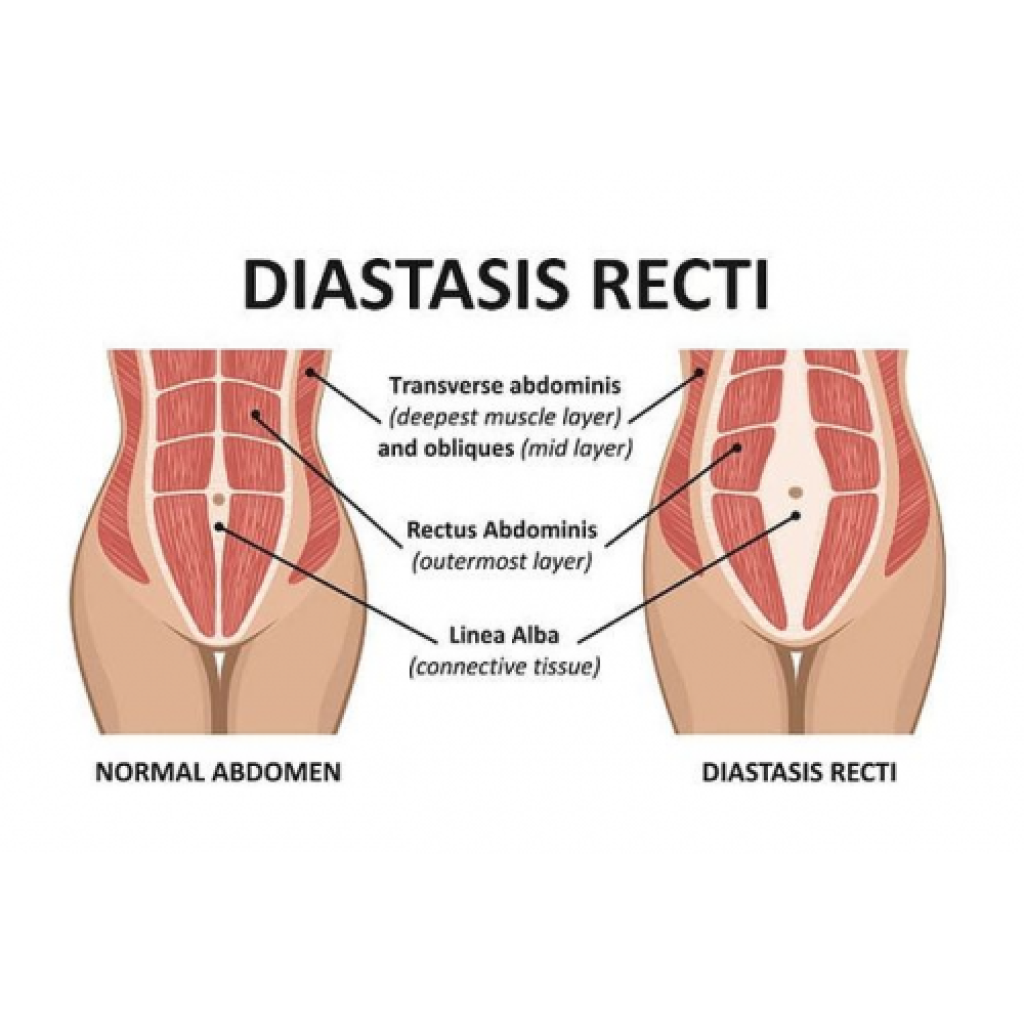
If you’re looking into diastasis recti massage Singapore mums recommend, you’ve probably already noticed something isn’t quite right after birth. Diastasis recti is the gradual separation of the two bands of abdominal muscle (the rectus abdominis, or “six-pack” muscles) that run from your chest to your pelvis. It’s extremely common after pregnancy, and understanding it early makes recovery much smoother.
What Is Diastasis Recti?
As your baby grows, the connective tissue joining these muscle groups (the linea alba) stretches sideways to make room. For many mums, this tissue doesn’t fully snap back after birth, leaving a visible gap or bulge along the midline of the abdomen. It’s not a cosmetic issue alone — the abdominal wall plays a real role in core strength, posture, and even how your back feels day to day.
Common Signs and Symptoms
You may be dealing with diastasis recti if you notice:
- A bulge or ridge along the midline of your abdomen, especially when sitting up or straining
- Physical discomfort or a feeling of weakness in the abdomen
- Poor posture or a persistent lower back and hip pain
- Bloating or constipation that doesn’t seem tied to diet alone
In rare cases, severe abdominal, pelvic, or back pain can signal something that needs a doctor’s attention, so it’s worth getting checked if symptoms feel more than mild.
How Common Is It, Really?
Diastasis recti affects a large majority of women in the third trimester, and for many the gap narrows naturally in the weeks after delivery. But research suggests a significant number of mums still have some separation a year or more postpartum if it isn’t actively addressed. That’s why early attention, whether through gentle exercise, professional guidance, or postnatal massage, tends to make a real difference in how quickly and completely the core recovers.
What Helps
Recovery looks different for every mum, but a few things consistently help:
- Avoid straining the core, especially in the early weeks postpartum
- Exercise with caution and avoid moves that dome or bulge the abdomen until cleared by a professional
- Postnatal massage to support the healing of the connective tissue
- A supportive binder to gently hold the abdominal muscles together during recovery
How Postnatal Massage Helps with Diastasis Recti
Massage therapy can be genuinely helpful for rebuilding abdominal tone, provided it’s done by a therapist who understands this condition specifically. An experienced postnatal massage therapist knows how to work on the tissue around the separation to help release tension that can be pulling the abdominal muscles outward, supporting your body’s natural recovery process alongside any exercises your doctor recommends. This is where a proper diastasis recti massage Singapore programme differs from a general relaxation massage — the techniques are chosen specifically with this muscle separation in mind, rather than a one-size-fits-all approach.
What to Expect From a Session
A good therapist will usually start by asking about your delivery, any symptoms you’re noticing, and how many weeks or months postpartum you are, since the approach can differ depending on where you are in recovery. From there, sessions typically combine gentle abdominal work with broader postnatal massage to ease overall tension, improve circulation, and support your body as it rebuilds strength. Most mums find the sessions relaxing as well as functional, which makes it easier to stay consistent with a recovery plan.
Diastasis Recti Support in Singapore
If you’re searching for diastasis recti support in Singapore, it helps to work with a therapist who has specific experience with postnatal recovery rather than general massage. At Joyous Mummy Care, postnatal massage is tailored to how your body is healing, including support for diastasis recti recovery. If you’re not sure whether you have it or want guidance on next steps, we’re happy to talk you through it.
Recovery takes time and patience, but with the right support and a bit of guidance, most mums see real improvement in their core strength within a few months of consistent care.
FREE FOR MUMS
Recovery support between sessions
The HMC app guides you through your first 40 days after birth with daily recovery, nutrition and lactation tips, plus easy booking for classes and workshops.
Get the free HMC app →