


13 Aug 2026
Breast Firmness After Breastfeeding: What Changes and What Can Help?
Many mums notice that their breasts feel softer, less full or different in shape after breastfeeding and weaning. If you are wondering whether you can regain breast firmness after breastfeeding, you are certainly not alone — it is one of the concerns we commonly hear at Joyous Mummy Care.
These changes are a normal part of pregnancy, milk production and postpartum recovery. While massage, oils and exercise cannot permanently lift breast tissue or completely restore lost volume, there are realistic ways to support your comfort, posture, skin condition and overall appearance.
The most important starting point is understanding what has changed, what may help and when a new breast change should be checked by a doctor.
Why Do Breasts Feel Softer After Breastfeeding?
Breasts naturally change throughout pregnancy and breastfeeding.
During pregnancy, hormonal changes prepare the breasts for milk production. The milk-producing glandular tissue expands, while the breasts may become fuller and heavier. The skin and supporting tissues may stretch as the breasts increase in size.
After breastfeeding ends, milk production gradually reduces and the enlarged glandular tissue becomes smaller. The breasts may then feel:
- Softer or less full
- Flatter in the upper breast area
- Looser than before pregnancy
- Different in size or shape
- Slightly uneven from one side to the other
These changes do not mean that something has gone wrong. They are part of the body’s natural transition after pregnancy, breastfeeding and weaning.
Does Breastfeeding Cause Sagging Breasts?
Breastfeeding is often blamed for changes in breast shape, but pregnancy and other physical factors appear to play a larger role.
A published study examining breast appearance after pregnancy found that breastfeeding was not an independent risk factor for breast ptosis, the medical term for breast sagging. Instead, factors such as age, body mass index, the number of pregnancies, pre-pregnancy breast size and smoking were more strongly associated with changes in breast shape.
In other words, choosing to breastfeed does not automatically cause your breasts to sag. Your body has already undergone significant hormonal and physical changes during pregnancy, regardless of how your baby is subsequently fed.
Read the study in the Aesthetic Surgery Journal
What Influences Breast Firmness After Pregnancy?
Every mother’s body responds differently. The amount of change you notice may be influenced by:
- Natural skin elasticity and genetics
- Age
- Breast size before pregnancy
- The number of pregnancies you have had
- Significant weight gain or weight loss
- Changes in breast volume during pregnancy
- Smoking, which affects skin elasticity
- Normal ageing and gravity
These are not things to feel guilty about. Breast changes are not a reflection of how well you breastfed, recovered or cared for yourself.
Can You Make Breasts Firmer After Breastfeeding?
You may be able to improve the supported appearance of your breasts and the condition of the surrounding skin. However, it is important to have realistic expectations.
Non-surgical care cannot replace lost breast volume or permanently lift stretched breast tissue. What it can do is support your posture, strengthen the muscles beneath the breasts, improve comfort and help you care for the skin around the chest.
Here are several practical steps that may help.
1. Give Your Body Time After Weaning
Your breasts may continue changing after your final breastfeed as your milk supply reduces and your hormones gradually adjust.
Try not to judge the final appearance of your breasts immediately after weaning. Allow your body time to settle before deciding whether the changes are permanent.
There is no single recovery timeline because every mother’s milk supply, breastfeeding journey and body are different.
2. Wean Gradually Where Possible
Gradual weaning gives your body time to reduce milk production more comfortably. It may help lower the risk of breast engorgement, blocked areas and mastitis.
It is usually easier to remove one feed at a time and allow your breasts to adjust before removing another. Gradual weaning supports breast comfort, although it cannot guarantee that the skin or breast shape will return to its pre-pregnancy appearance.
NHS guidance on stopping breastfeeding gradually
3. Wear a Comfortable, Well-Fitted Bra
A supportive bra can provide immediate lift and reduce discomfort during movement and exercise.
Choose a bra that:
- Fits comfortably around the band
- Supports without compressing the breasts
- Does not leave deep marks
- Has straps that do not dig into the shoulders
- Provides suitable support for physical activity
A bra can support the breasts while it is being worn, but it should not be marketed as a way to permanently prevent or reverse breast sagging.
During active breastfeeding or weaning, avoid bras that are excessively tight because constant pressure may contribute to breast discomfort.
4. Strengthen Your Chest, Back and Posture
The breasts themselves do not contain muscle. However, the pectoral muscles sit beneath them, while the back and shoulder muscles support posture.
Strengthening these areas may improve the way the chest is carried and create a more lifted overall appearance.
Once you have been cleared to exercise, suitable movements may include:
- Wall push-ups
- Modified push-ups
- Light chest presses
- Resistance-band rows
- Gentle upper-back exercises
- Posture and shoulder-opening movements
These exercises do not reshape breast tissue, but they can improve muscle tone and posture around the chest.
If you have diastasis recti, pelvic-floor concerns, pain or other postnatal recovery issues, seek professional guidance before beginning a new exercise routine.
5. Maintain a Stable, Healthy Weight
Repeated or significant changes in body weight can affect breast volume and place additional stress on the skin.
If you are trying to lose postpartum weight, aim for a gradual and sustainable approach rather than rapid weight loss. A balanced diet and adequate hydration support general health and normal skin function, although they cannot completely restore stretched skin.
6. Care for the Skin Around Your Chest
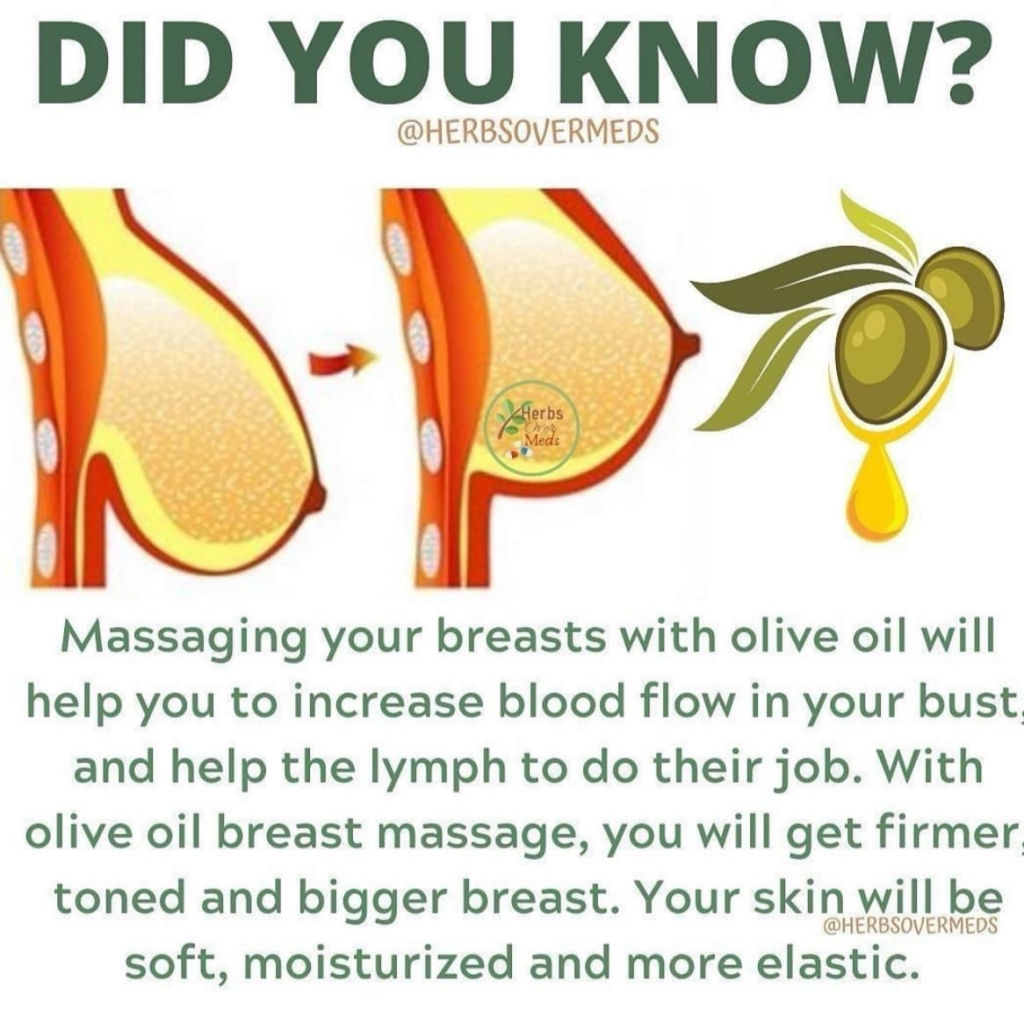
Moisturising can help dry skin feel softer and more comfortable. Oils may also reduce friction during massage and support a smoother skin feel.
However, no oil, cream or home remedy has been proven to permanently lift sagging breasts or replace breast volume.
If you are still breastfeeding, be careful about applying products near the nipple and areola where your baby may come into contact with them. Check that the product is appropriate for use during breastfeeding.
Do Cabbage Leaves Make Breasts Firmer?
Cold cabbage leaves are sometimes used during breastfeeding to help ease the discomfort of breast engorgement.
Research suggests that cabbage leaves may help reduce breast pain, although the evidence regarding engorgement and hardness remains mixed. Their cooling effect may feel soothing, but cabbage leaves do not improve long-term breast firmness or restore lost volume.
They should therefore be viewed as a temporary comfort measure — not a breast-firming treatment.
Read the NCBI LactMed review on cabbage leaves
What Massage Can — and Cannot — Do After Breastfeeding
Gentle massage can be a comforting part of postpartum and post-weaning care. It may support relaxation, relieve tension around the chest and shoulders, and help moisturising oils spread comfortably over the skin.
Massage cannot permanently lift breast tissue, tighten significantly stretched skin or restore lost breast volume. Claims promising a non-surgical breast lift through massage alone should be approached carefully.
At Joyous Mummy Care, our approach is based on comfort, honesty and realistic recovery support. We use carefully selected cold-pressed oils during suitable postnatal treatments to reduce friction and moisturise the skin.
For mums who are actively weaning, our gentle lactation and weaning support focuses on concerns such as:
- Breast fullness and heaviness
- Tender or uncomfortable areas
- Adjusting milk removal gradually
- Understanding normal weaning changes
- Recognising when medical assessment is needed
Treatment should always be adapted to your breastfeeding stage, comfort level and individual symptoms.
When Should You See a Doctor?
Most gradual changes in breast softness or shape after breastfeeding are part of normal postpartum recovery.
However, arrange a medical assessment if you notice:
- A new breast or underarm lump
- A lump that does not resolve
- Persistent or worsening breast pain
- A sudden change in breast size or shape
- New nipple inversion or unusual nipple changes
- Unexplained nipple discharge
- Skin dimpling or an orange-peel appearance
- Persistent redness, swelling or warmth
- A change affecting only one breast that develops suddenly
Seek prompt medical advice if your breast becomes hot, swollen and painful, particularly if you also develop fever, chills, body aches or flu-like symptoms.
Do not assume that every lump or breast change is related to breastfeeding. New or unusual changes should be assessed by a qualified healthcare professional.
Mayo Clinic guidance on breast changes
Frequently Asked Questions
Will my breasts return to their original shape after breastfeeding?
Some mums find that their breasts regain part of their previous fullness after their milk supply and hormones settle. Others continue to notice changes in volume, softness or shape. The outcome depends on factors such as age, skin elasticity, breast size, pregnancies and weight changes.
How long should I wait after weaning?
There is no fixed timeline. Breast fullness and shape may continue changing after milk production has stopped. Give your body time to adjust rather than assessing the results immediately after your final feed.
Can chest exercises lift sagging breasts?
Chest exercises cannot lift breast tissue directly. They can strengthen the muscles beneath the breasts and improve posture, which may create a firmer and more supported appearance.
Can breast massage restore firmness?
Massage may support comfort, relaxation and skin moisturisation, but it cannot permanently lift breast tissue or replace lost volume.
Is one breast being softer or smaller normal?
Some degree of breast asymmetry is common, especially if your baby preferred feeding from one side or one breast produced more milk. However, sudden or significant changes affecting one breast should be medically assessed.
Can I receive massage while I am still breastfeeding?
This depends on your stage of recovery, symptoms and the type of treatment required. Any breast-related treatment during breastfeeding should be gentle, comfort-led and performed by someone who understands lactation. Painful or aggressive breast massage should be avoided.
Supporting Your Body Without Judgement
Your body has carried, birthed and nourished your baby. Changes in your breasts are not something you need to feel ashamed of, nor are they proof that you have failed to care for yourself.
At Joyous Mummy Care, we believe postpartum recovery should be approached with honesty, patience and respect for what each mother’s body has experienced.
If you are currently breastfeeding, preparing to wean or experiencing discomfort after breastfeeding, our team can help you understand your options and recommend care suited to your recovery stage.
Speak to Joyous Mummy Care about our postnatal massage, gentle lactation care and weaning-support services in Singapore.
Because mama, you deserve to be cared for too.
This article provides general educational information and does not replace individual medical advice, diagnosis or treatment.
FREE FOR MUMS
Recovery support between sessions
The HMC app guides you through your first 40 days after birth with daily recovery, nutrition and lactation tips, plus easy booking for classes and workshops.
Get the free HMC app →